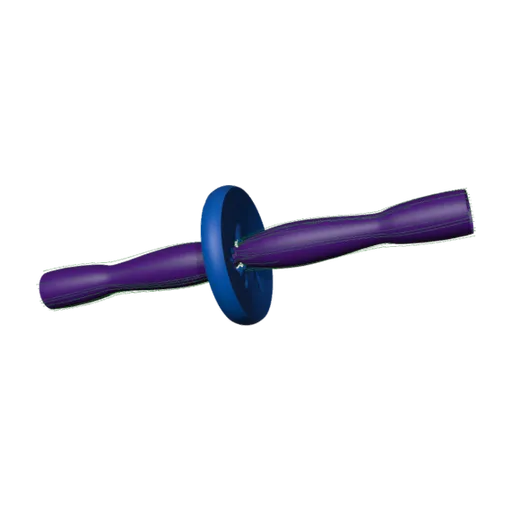
DG Tau
by Smithsonian Astrophysical Observatory
According to current theories, material falls onto a developing star, known as a "protostar," from a surrounding disk. The interaction between this rotating disk and the nascent star leads to the narr
Download
- glbGLB, web resolutiondg-tau.glb · 9.0 MBDownload GLB, web resolution
- Triangles
- 150,000
- Vertices
- 136,563
- Materials
- 1
- Textures
- 3, up to 2048px
- Size (W × H × D)
- 300 × 125 × 132 m
- Rigged
- No
- Style
- Realistic
CC0 (public domain)
Free for any use, commercial too. No credit needed.
- Use it in games, films, apps, ads, 3D prints and school work
- Sell what you make with it
- Change it, recolour it, cut it up
- Share the file itself
- Claim you made the original
Checked before it was listed
- Scanned for malware
- Opened and measured: the facts on this page come from the files
- No scripts or programs inside the download
- Licence confirmed at the source
File fingerprints (SHA-256)
dg-tau.glb: 918d1d1416ed03d176a499421e1ce813c24e95b6e8ed7e3795dee60421fbc85f
Made by Smithsonian Astrophysical Observatory
According to current theories, material falls onto a developing star, known as a "protostar," from a surrounding disk. The interaction between this rotating disk and the nascent star leads to the narrowing of material into jets that blast away from the magnetic poles of the would-be star. These stellar jets, detected in X-rays by Chandra, generate shock waves similar to those produced by supersonic jets.
Description Credit: INAF-Osservatorio Astronomico di Palermo/S.Orlando; NASA/CXC/SAO/A. Jubett, et al.
From Smithsonian Astrophysical Observatory, released by the Smithsonian under CC0 through its Open Access programme. The Smithsonian does not endorse ModelsXi. Its own page has the object record and other copies, including full-resolution and print-ready files where they exist.
More space and sci-fi
 Free
 Free
 Free
 Free
 Free
 Free
 Free