
skirt, 2-piece
by National Museum of American History
This micro-miniskirt was part of a “futuristic fashion” collection designed by Rudi Gernreich, featured in Life Magazine in 1970 and displayed at Expo ’70, a world’s fair in Osaka, Japan, although nev
Download
- glbGLB, web resolutionskirt-2-piece.glb · 6.8 MBDownload GLB, web resolution
- Triangles
- 100,000
- Vertices
- 56,283
- Materials
- 1
- Textures
- 3, up to 4096px
- Size (W × H × D)
- 0.44 × 0.24 × 0.27 m
- Rigged
- No
- Style
- 3D scan
CC0 (public domain)
Free for any use, commercial too. No credit needed.
- Use it in games, films, apps, ads, 3D prints and school work
- Sell what you make with it
- Change it, recolour it, cut it up
- Share the file itself
- Claim you made the original
Checked before it was listed
- Scanned for malware
- Opened and measured: the facts on this page come from the files
- No scripts or programs inside the download
- Licence confirmed at the source
File fingerprints (SHA-256)
skirt-2-piece.glb: 723fb64f7504c73eec7974e083fbaf4d34308951b2dd3f452fd8e0ec20802342
Made by National Museum of American History
This micro-miniskirt was part of a “futuristic fashion” collection designed by Rudi Gernreich, featured in Life Magazine in 1970 and displayed at Expo ’70, a world’s fair in Osaka, Japan, although never produced and sold commercially. Gernreich, born in Austria in 1922, emigrated to the U.S. with his mother in 1938, fleeing Nazi persecution of Jews and settling in Los Angeles. Along with his then-partner, activist Harry Hay and others, he was a founding member of the Mattachine Society, an early LGBTQ/gay rights organization, around 1950. Gernreich first worked as a dancer and in costume design in Los Angeles, eventually becoming known for avant-garde fashion designs. Many of his clothes were “unisex,” intended for men and women alike, as he sought to detach clothing from gender—designing skirts for men, pants for women—and remove the stigma of nudity. His body conscious and often minimalist designs can be interpreted as celebrations of the body and statements against sexual repression.
Currently not on view
From National Museum of American History, released by the Smithsonian under CC0 through its Open Access programme. The Smithsonian does not endorse ModelsXi. Its own page has the object record and other copies, including full-resolution and print-ready files where they exist.
More museum scans
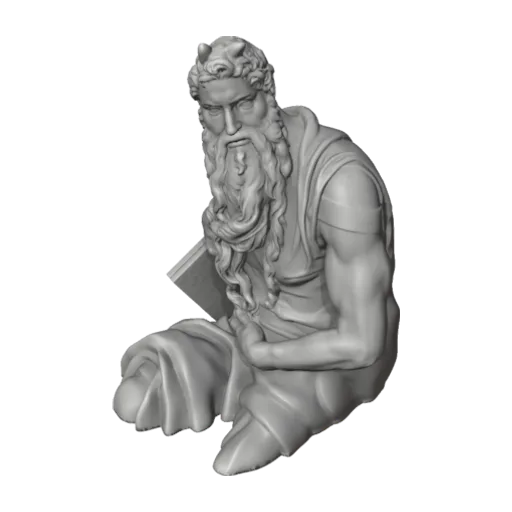 Free
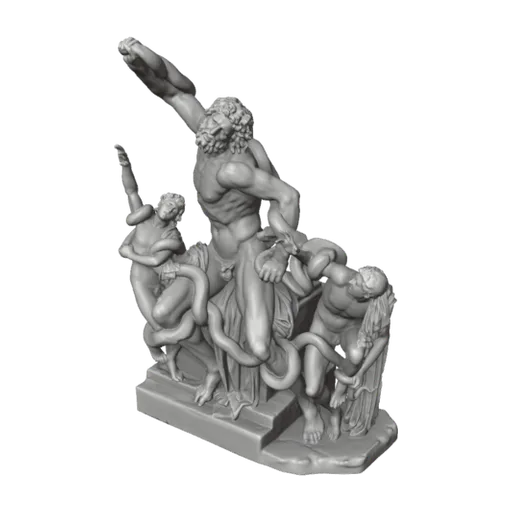 Free
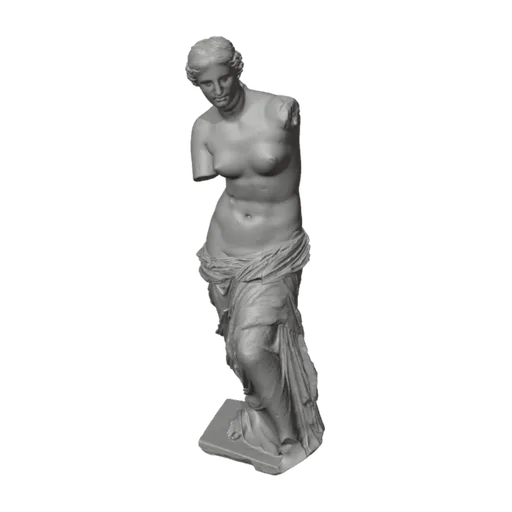 Free
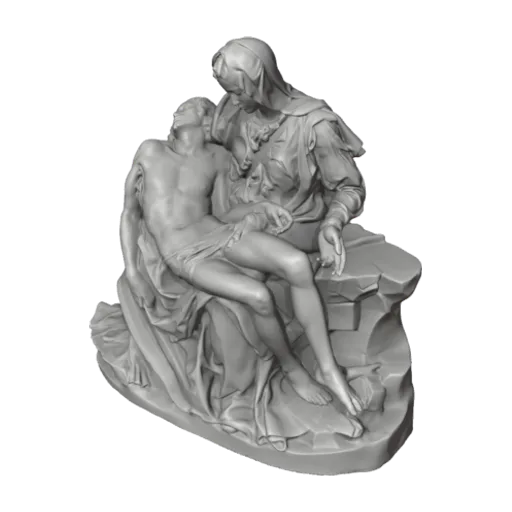 Free
 Free
 Free
 Free
 Free
 Free
 Free
 Free
 Free
 Free
 Free
 Free
 Free